
For Admission Related Queries
Call 95917 48899/ WhatsApp 9205502957
kedschools@ked.edu.in
Academic Programs
CBSE | Cambridge | IB
For Admission Related Queries
Academic Programs

At Kunskapsskolan IB PYP, Read Write Inc. (RWI) provides a strong foundation for language development by building students’ skills in phonics, reading, writing, speaking, and vocabulary. The systematic approach helps children understand the relationship between sounds and letters, develop reading fluency, and gradually become confident writers.
What makes the approach particularly valuable is that students are taught according to their individual stage of language development rather than simply their age or grade. Regular assessment and flexible grouping allow teachers to respond to students’ needs and provide the right level of support and challenge.
Through RWI, children develop the confidence to read independently, communicate their ideas, expand their vocabulary, and express themselves clearly.

Our Reading Programme is designed to nurture a genuine love for reading and help students discover the joy, imagination, and possibilities that books bring. It goes beyond the contextual reading used during regular learning sessions, opening up a wider world of literature where diversity and different perspectives are at the heart of the experience.
Running throughout the year in different phases across grades, the programme is both teacher-led and student-owned, with students’ interests and classroom interactions shaping the pace and depth of each book. Dedicated time is given to exploring new vocabulary, hands-on experiences, writing, discussion, and creative responses.
As students interact with rich literature, their listening, speaking, reading, and expression skills develop alongside critical thinking. Stories provide meaningful opportunities to develop grammar in context and explore relevant IB Learner Profile attributes. We aim to develop not just confident readers, but curious, thoughtful learners who see reading as a window to new ideas.
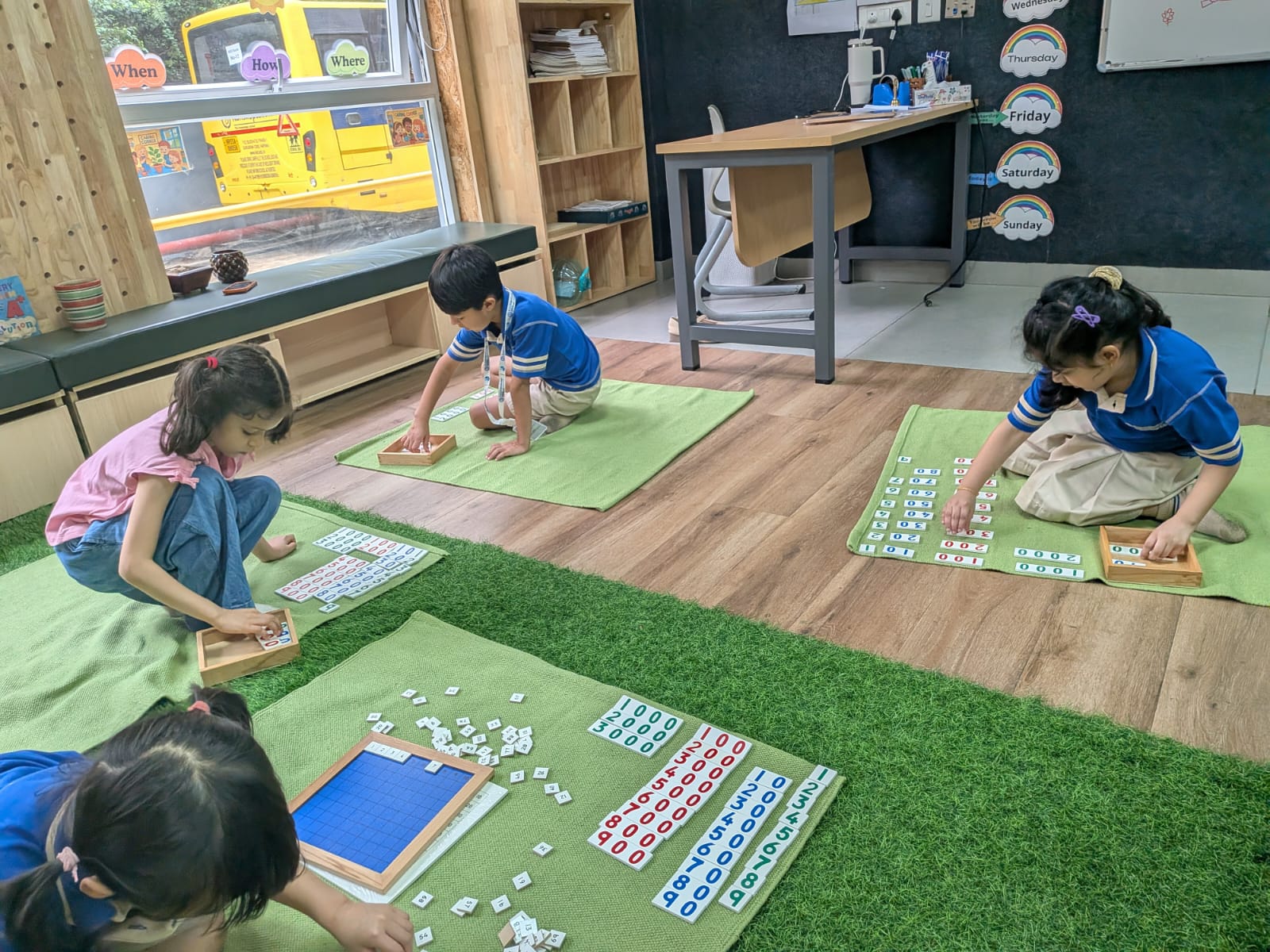
At Kunskapsskolan IB PYP, mathematics learning follows a clear progression using the CPA (Concrete–Pictorial–Abstract) approach. This enables students to develop a deep conceptual understanding of mathematics rather than simply learning procedures or memorising rules.
Students begin by experiencing mathematical ideas with concrete materials, allowing them to explore, manipulate, and make sense of concepts. They then move to the pictorial stage, using drawings, models, diagrams, and representations to explain their thinking. Finally, they progress to the abstract stage, applying mathematical symbols, numbers, and algorithms with understanding.
The CPA approach supports a strong progression in number, while encouraging students to explain their reasoning, make connections, and solve problems in different ways.
At Kunskapsskolan, we see the IB Learner Profile not as a list of attributes to be taught, but as qualities that children gradually develop through their everyday experiences, choices, and interactions. We consciously create opportunities for students to understand what these attributes look and feel like in real life.
Our approach is to make the Learner Profile visible, meaningful, and personal. Teachers intentionally highlight attributes during learning experiences and help students recognise them in themselves and others. We also encourage students to reflect on their own growth and identify the attributes they are developing.
At Kunskapsskolan, we are not simply developing successful learners; we are nurturing curious, caring, courageous, and reflective individuals who are ready to make a meaningful difference in the world.
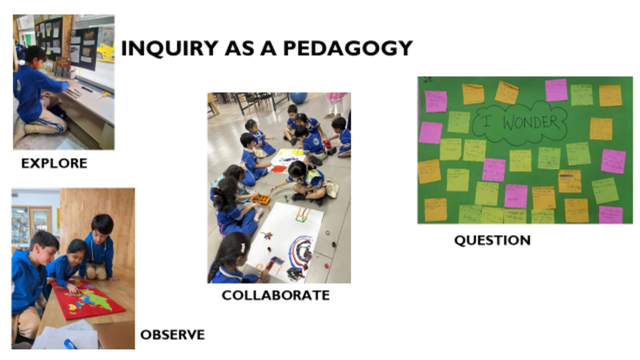
Inquiry is at the heart of learning. We begin by building on students’ prior knowledge, experiences, and ideas, using these as a foundation for deeper exploration and understanding. Students are encouraged to ask questions, make connections, investigate, and construct meaning through a variety of experiences.
They engage with multiple resources and perspectives, including books, digital resources, real-world experiences, experts, and observations. Students also design simulations, conduct experiments, test ideas, and learn through hands-on exploration, allowing them to investigate questions and develop evidence-based understanding.
Through this process, students move beyond simply finding answers to thinking critically. Inquiry empowers our learners to be curious, take ownership of their learning, and become active participants in the learning process.
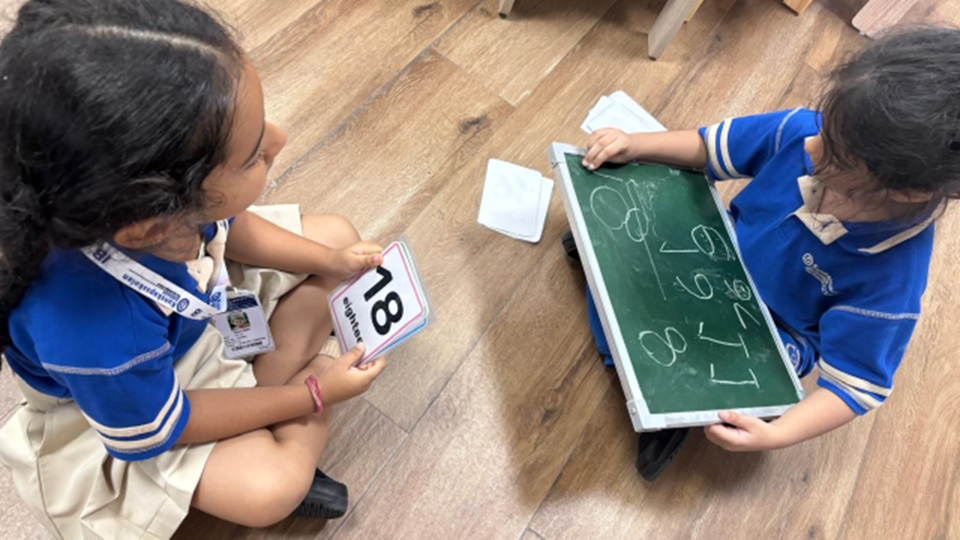
At Kunskapsskolan, we view assessment as a conversation about learning and growth, rather than simply a way of measuring achievement. Our assessment practices are closely connected to the learning journey of each child. Teachers gather evidence through observations, questioning, discussions, portfolios, and student work, giving us a holistic picture.
We make learning intentions and success criteria visible to students so that they understand what they are learning, what success looks like, and what their next steps might be. Regular feedback and reflection help students recognise their strengths and take increasing ownership of their learning.
Our personalised approach means that assessment is used to understand the individual learner—their prior knowledge, needs, strengths, and areas for development. In this way, assessment becomes an ongoing cycle of observe, understand, respond, reflect, and grow.
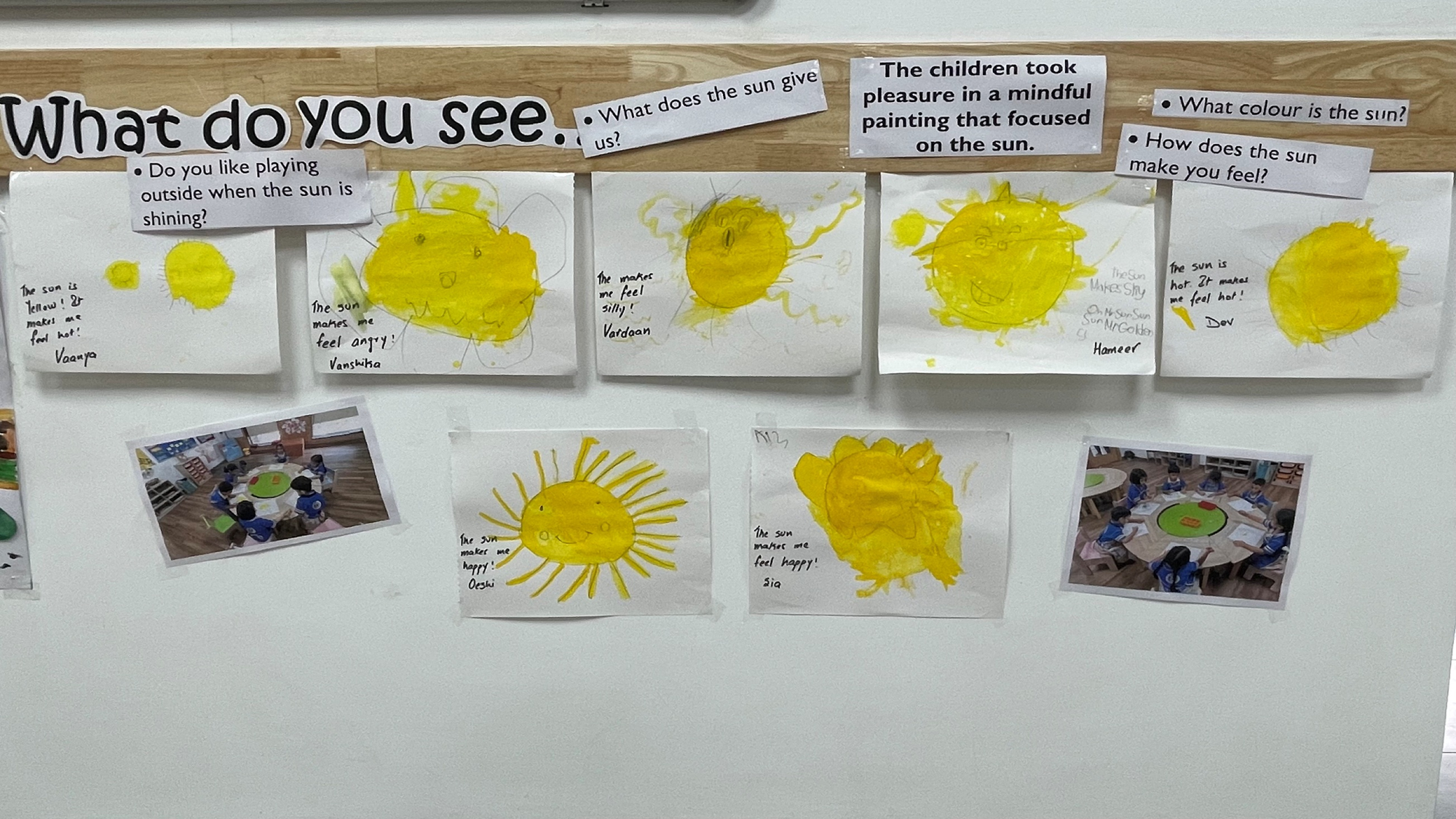
At Kunskapsskolan IB PYP, we believe that before children can fully engage with learning, they need to feel seen, heard, valued, and connected. This is why Social-Emotional Learning (SEL) is woven into the fabric of our school experience rather than treated as a separate programme.
We intentionally create opportunities for students to understand themselves, recognise and regulate their emotions, build meaningful relationships, show empathy, navigate challenges, and make responsible choices. Through reflection, dialogue, collaboration, and real-life experiences, students develop resilience.
Our focus is not simply on creating successful students, but on nurturing self-aware, empathetic, resilient, and compassionate individuals who understand themselves, value others, and have the agency to positively influence the world around them.
The clubs at Kunskapsskolan IB PYP offer a unique opportunity for students to learn from students. These clubs are led by our IBDP students, who share their knowledge, skills, and passions with younger learners, creating a meaningful cross-age learning experience.
Where students explore how to become innovators rather than just consumers.
Focusing on gameplay, strategy, psychology, and complex puzzles.
Exploring digital art, graffiti, fabric manipulation, photography, and sketching.
Where students explore branding, strategy, and innovation through real-world projects.
Through these experiences, PYP students are encouraged to be curious and confident learners, while DP students grow as mentors and leaders.
At our school, we believe that some of the most meaningful learning happens when children step outside the classroom and connect with the world around them. Back to Nature is an initiative that encourages our students to slow down, observe, explore, question, and discover the natural environment through real, hands-on experiences.
Whether it is noticing the changing seasons, observing plants and insects, feeling the texture of leaves, listening to birds, or simply spending time outdoors, every experience becomes an opportunity for learning. Through nature, children develop curiosity, appreciation, and empathy.
It is not just about learning about nature; it is about building a relationship with it. One observation, one question, and one experience at a time.
At our school, camps are an extension of learning beyond the classroom, providing students with opportunities to explore, connect, collaborate, and discover themselves in new ways. Through outdoor experiences, adventure, team challenges, storytelling, and moments of reflection, students learn to become more independent and confident.
Camps also nurture friendships and strengthen the sense of community as students and teachers share experiences beyond their everyday routines. For our younger learners, a camp can be an exciting first step towards independence, while for older students, it provides opportunities to challenge themselves.
Rooted in our IB PYP approach, our camps are designed to create meaningful experiences where learning, relationships, and personal growth come together.
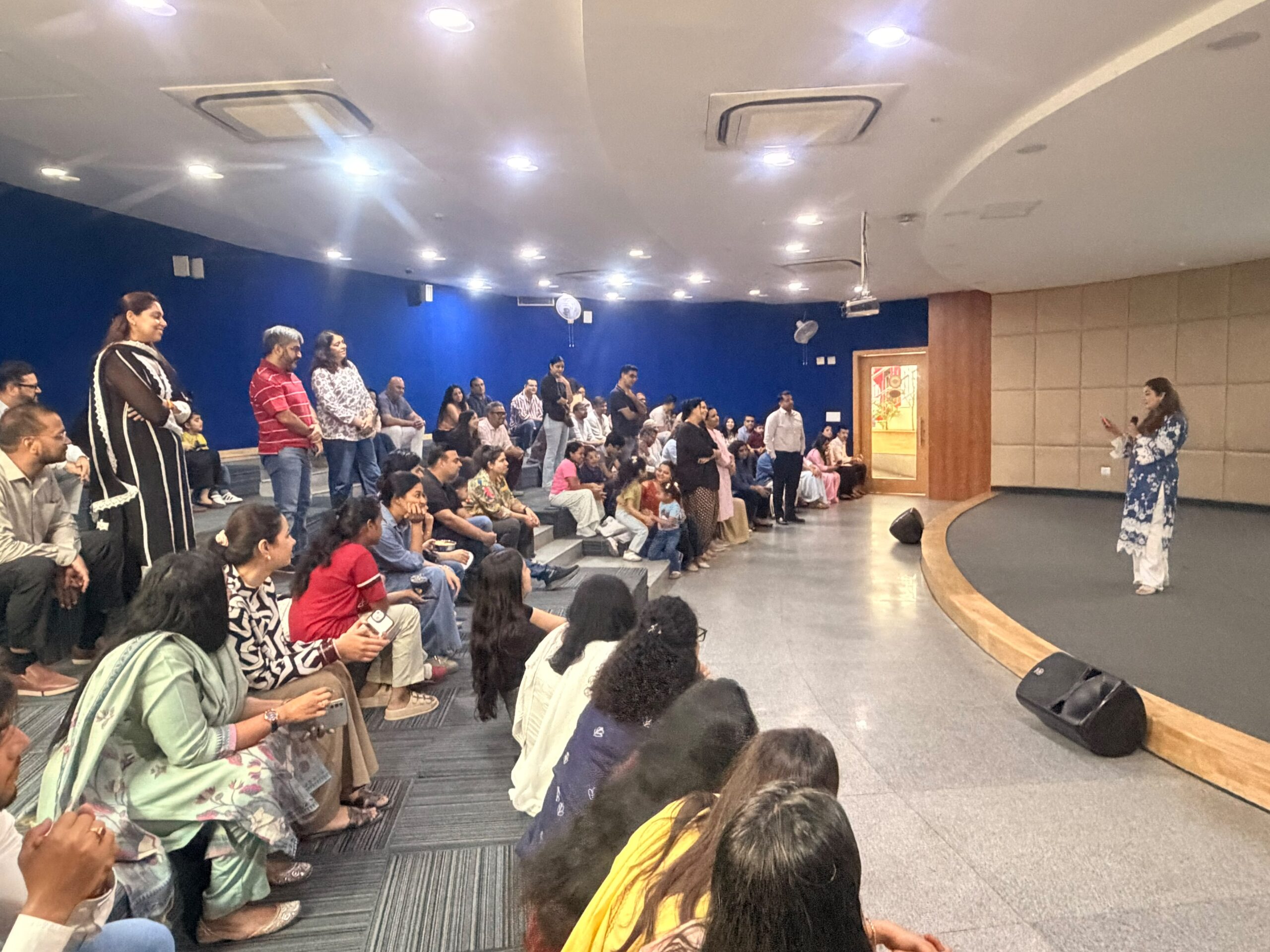
At our school, we believe that a strong school culture is built through an open, trusting, and meaningful partnership with parents. We create regular opportunities for dialogue through coffee mornings, parent group meetings, and orientation sessions, where parents can share their perspectives and understand our approach.
These interactions go beyond sharing information; they help us listen to one another, build trust, and develop a shared understanding of what we want for our children.
By strengthening the connection between school and home, we work together to create a holistic and consistent experience for every child, supporting their academic, social, emotional, and personal growth.
Our Programme of Inquiry (POI) provides a coherent framework for students to explore big ideas, make meaningful connections, and develop an understanding of the world around them. Each Unit of Inquiry is thoughtfully planned around conceptual understanding, key concepts, and authentic questions.
Our POI ensures progression across grades, with learning becoming increasingly complex as students revisit ideas from different perspectives and contexts. We intentionally integrate subject-specific knowledge, Approaches to Learning, Learner Profile attributes, and opportunities for action.
Through inquiry, students engage with multiple resources, hands-on experiences, experiments, simulations, and real-world situations. The POI is more than a curriculum map; it is a journey that encourages curiosity, critical thinking, and student agency.
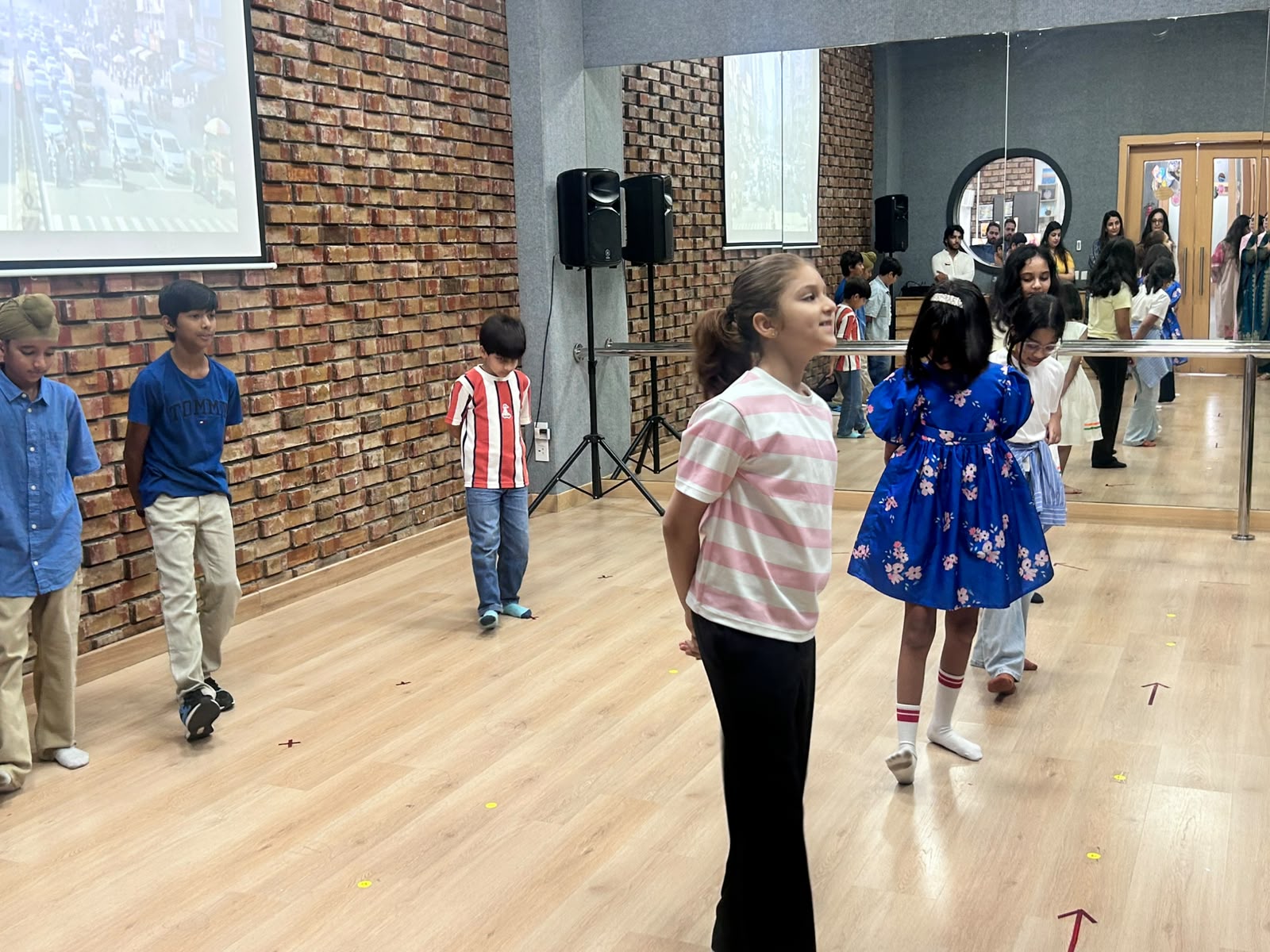
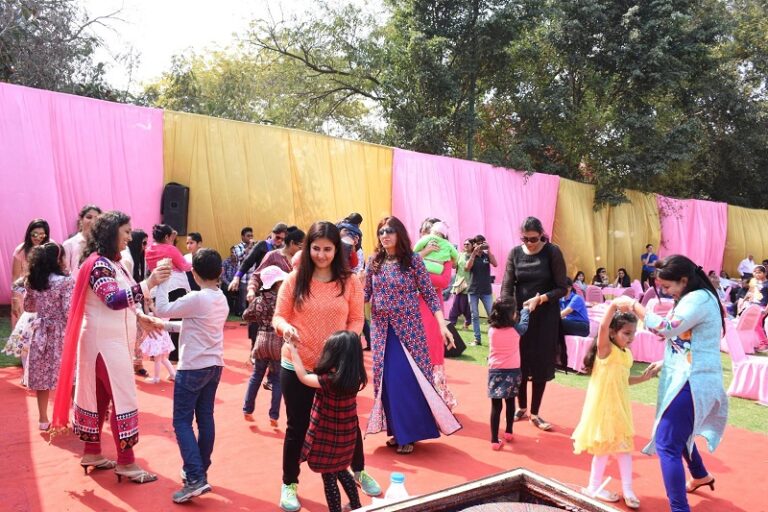
Our PYP events are an integral part of creating a vibrant learning community where children have opportunities to share, perform, collaborate, celebrate, and take ownership of their learning. Events such as Student-Led Conferences, Brewing Bonds, Sports Day, and Annual Day provide meaningful opportunities to bring students, teachers, and parents together.
Student-Led Conferences empower children to take ownership of their learning, while Brewing Bonds strengthens our partnership with parents by helping them understand the academic progression. Sports Day nurtures teamwork and resilience, while Annual Day celebrates creativity and confidence.
Each event goes beyond celebration and is an extension of learning, student agency, parent partnership, and community building, helping us create meaningful experiences that children remember and value.
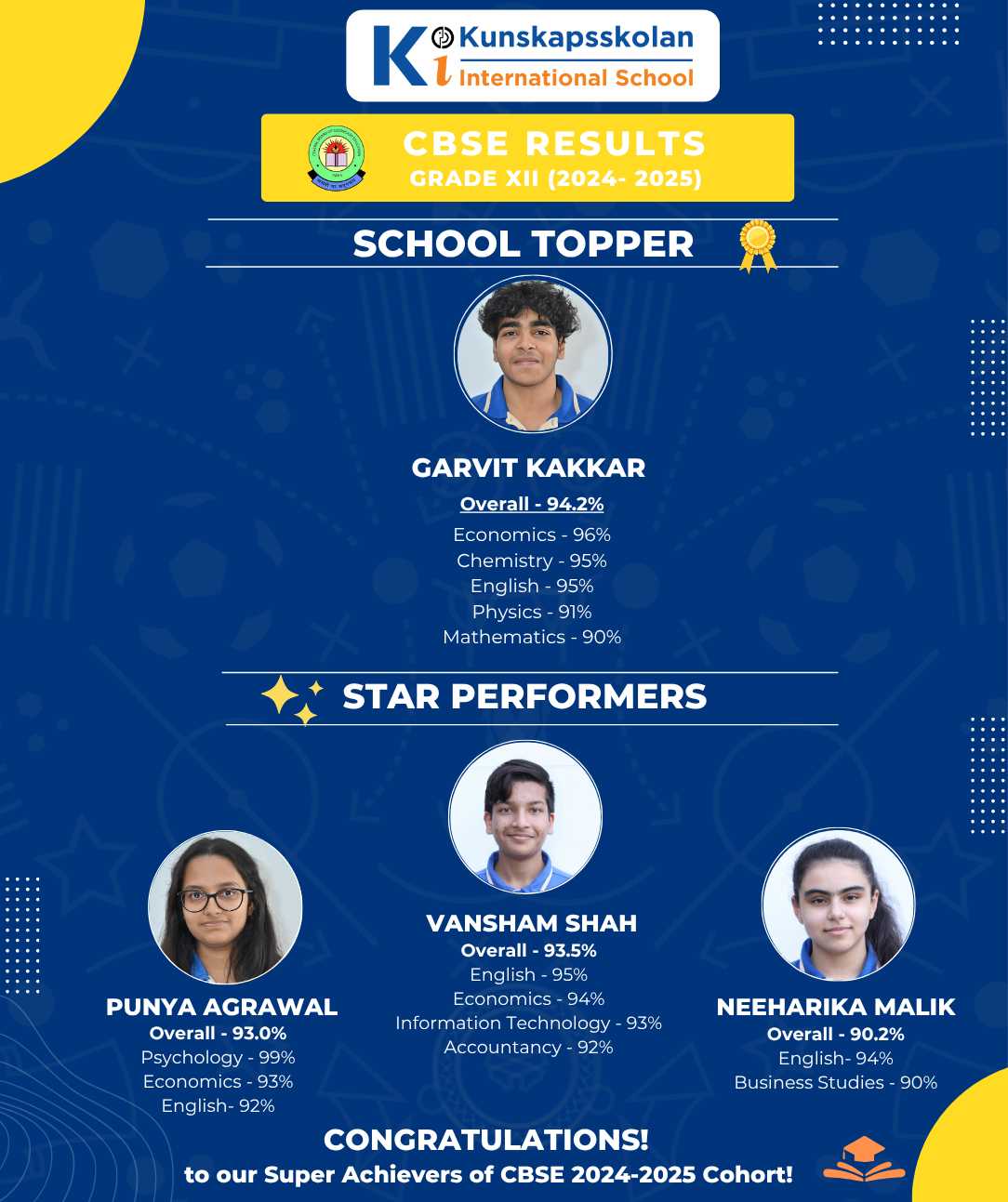
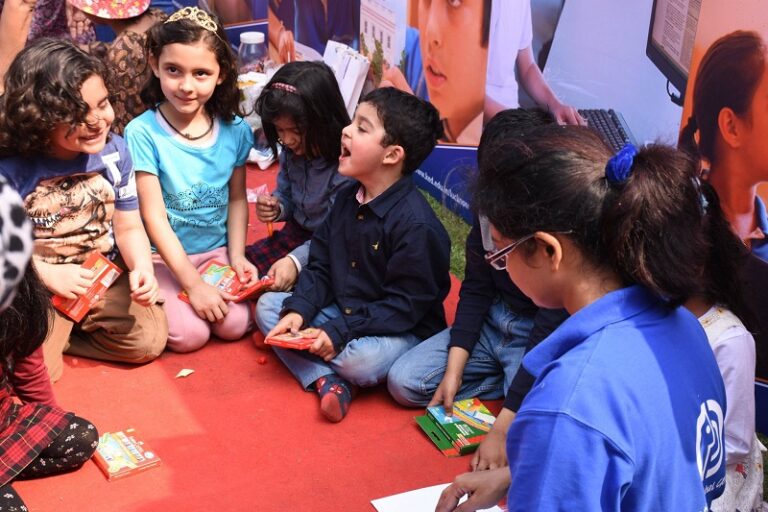
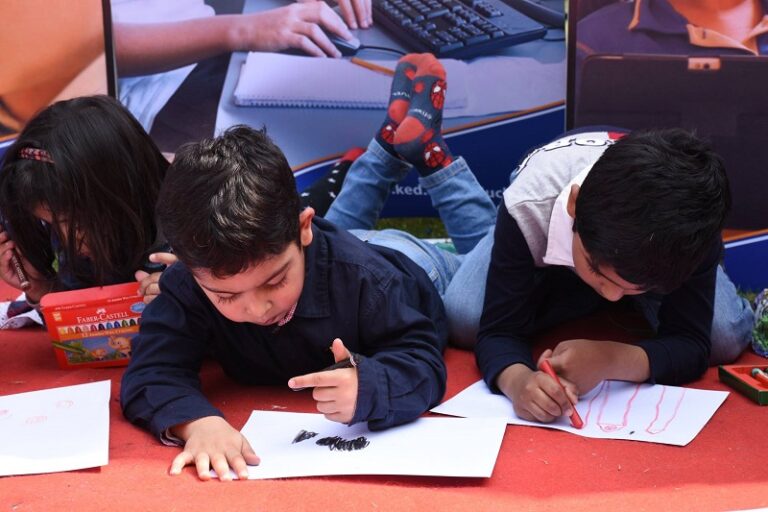
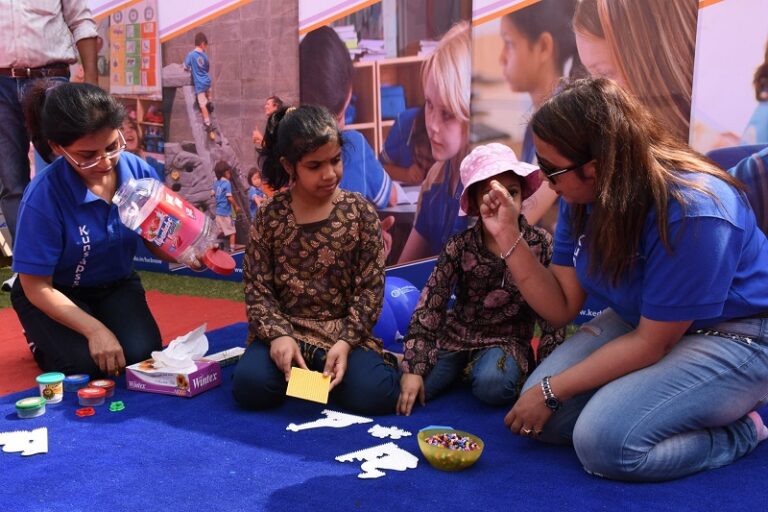
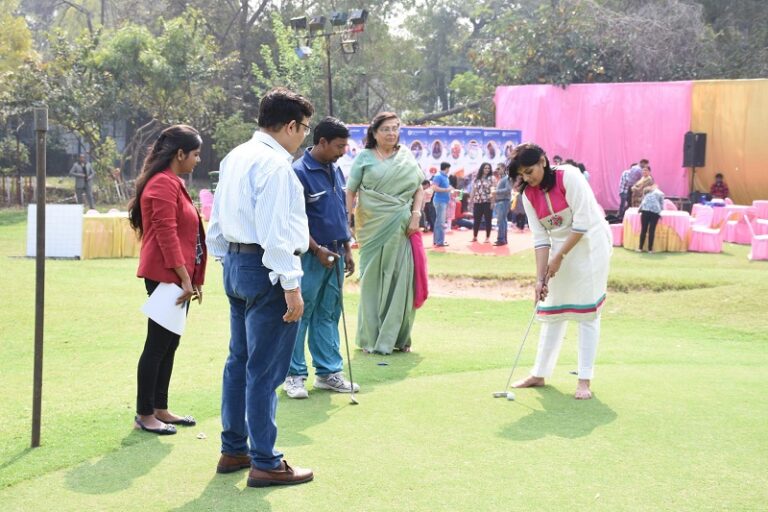
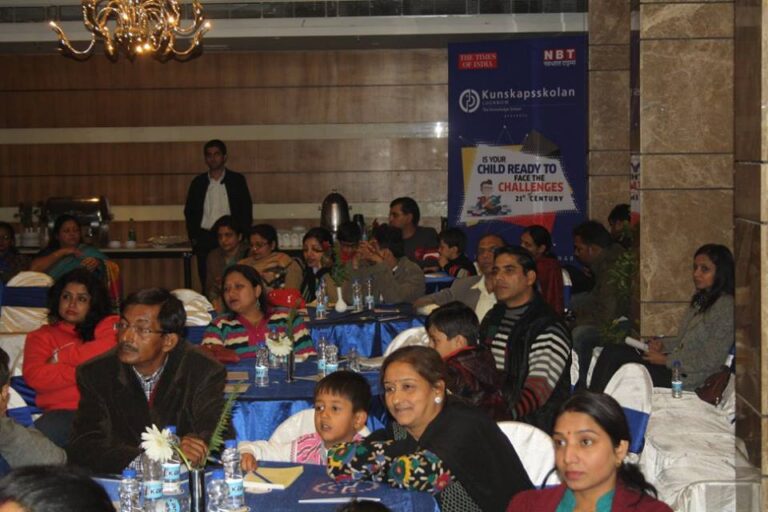
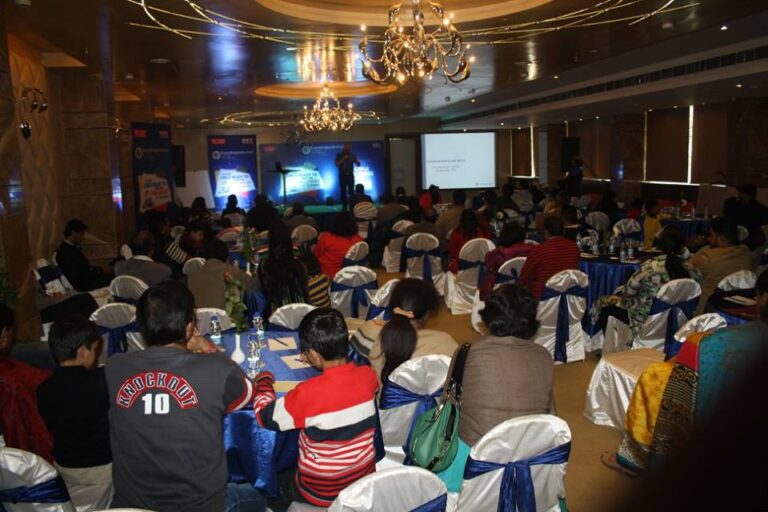
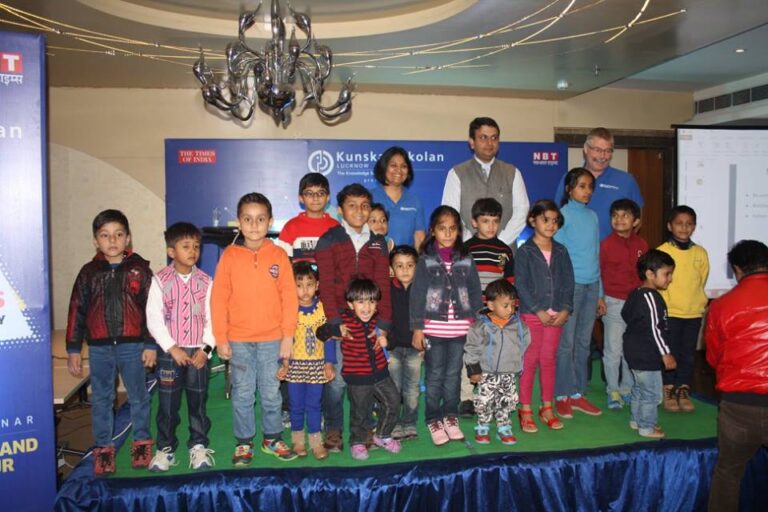
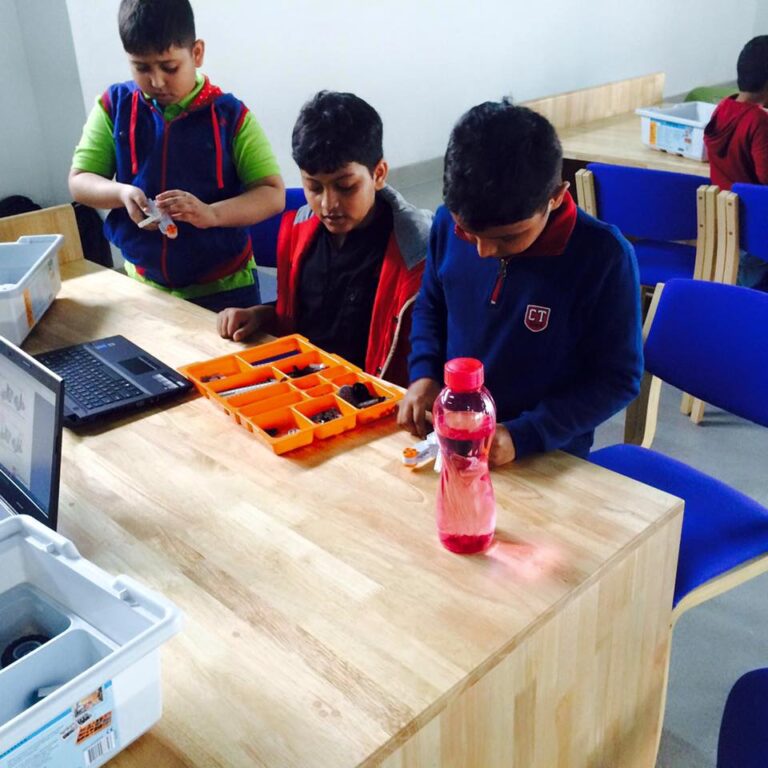
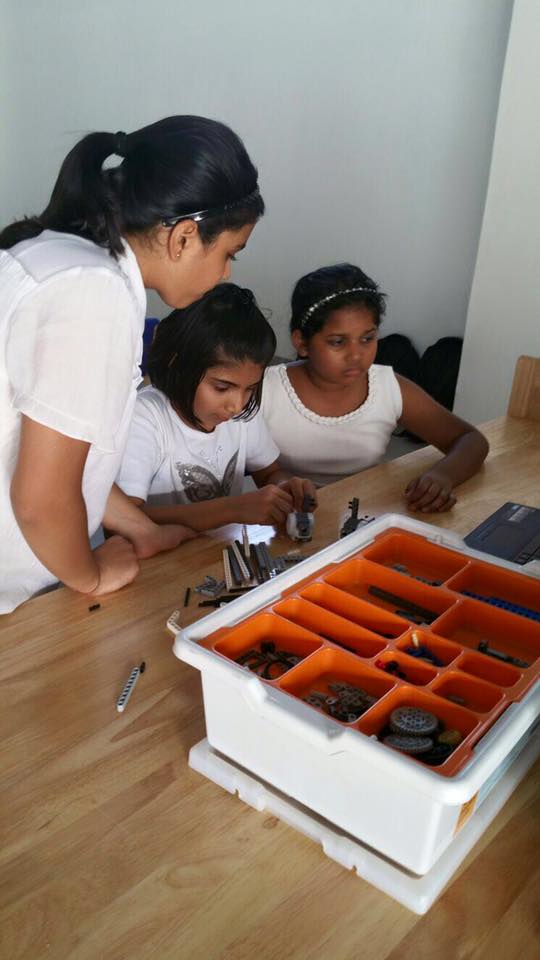
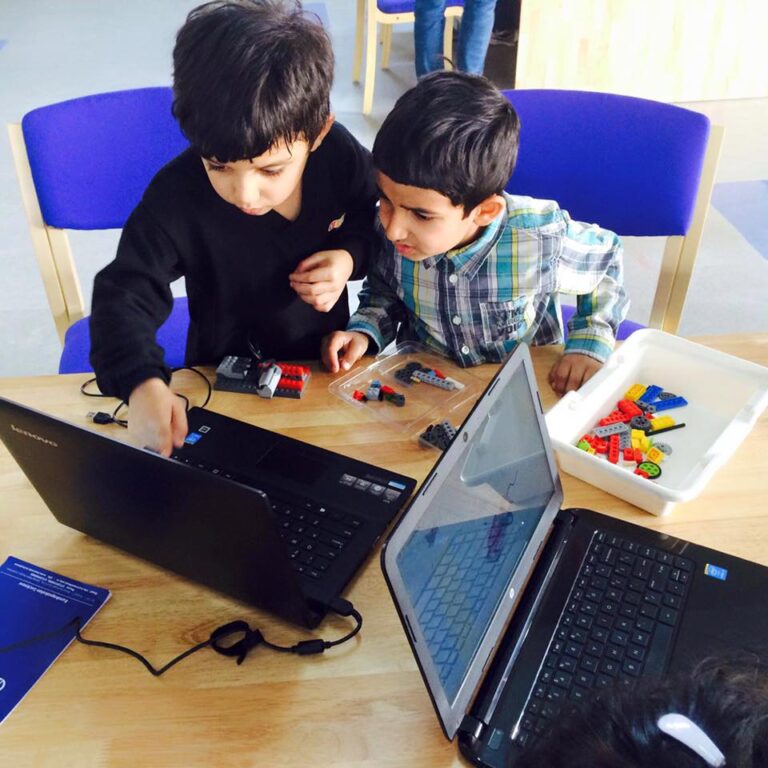
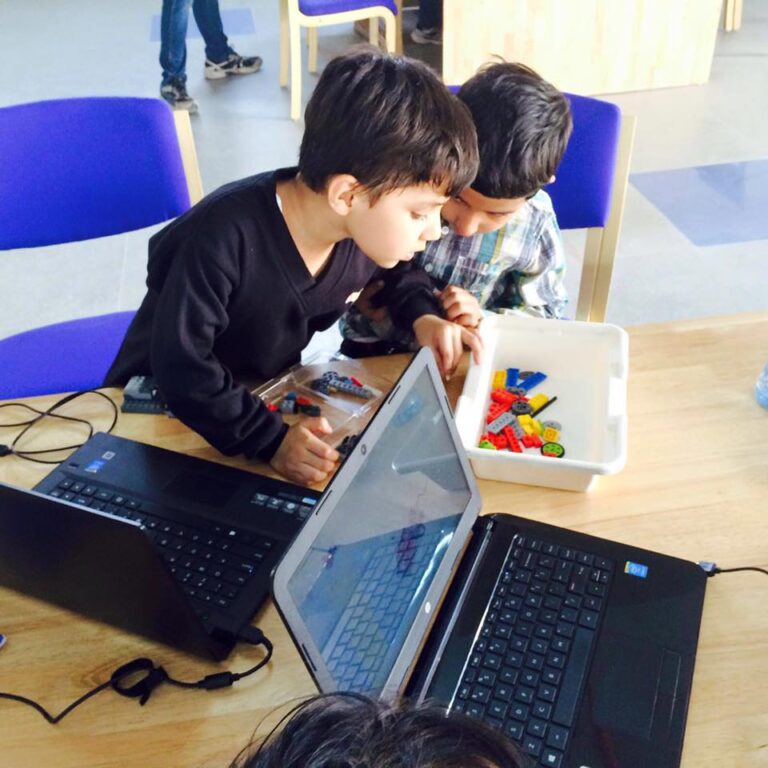

Kunskapsskolan is a global school where students will develop in an environment that nurtures them and their uniqueness. Exposure to the varied curriculums of Kunskapsskolan schools across the continents will provide the students with an enhanced and holistic view of the world they inhabit. The subjects and concepts taught at the various grades are aligned to the CBSE curriculum.
In Kunskapsskolan, all the subjects are organized in Steps and Themes. This challenges students to stretch their boundaries, construct a solid foundation of knowledge and skills.
Subjects that are required to be learnt sequentially and progressively are taught in steps. Math and languages are step subjects. The student moves from one step to the next, once he has mastered the previous requisite step. The students understanding of the concept is assessed through presentations and projects.
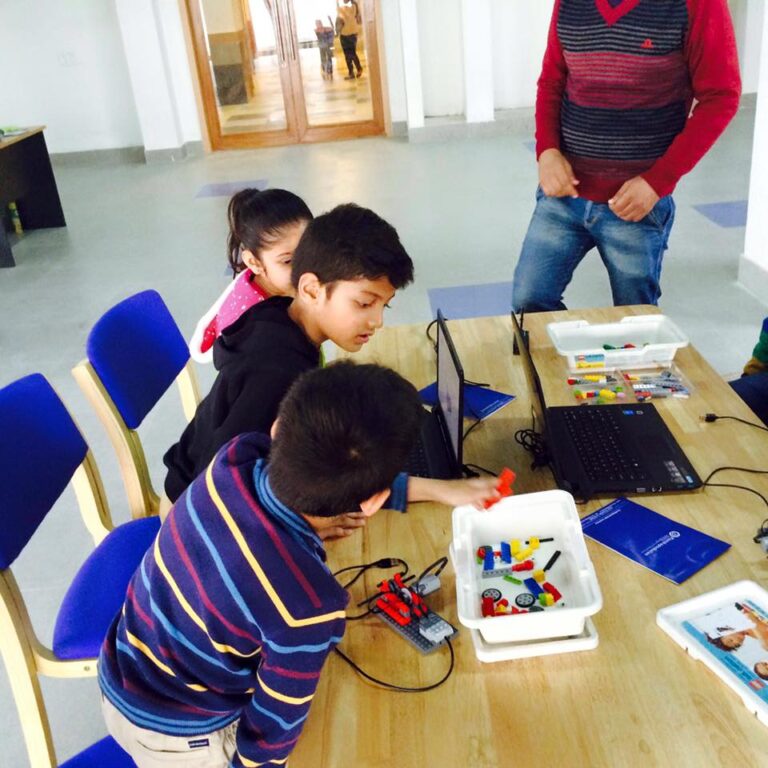
The thematic courses integrate subjects. EVS, Arts and Computers are theme courses and organized around projects and missions (assignments). They are solved or carried out by using and applying what the student has learned and demonstrate the ability to use logical thinking and creativity to solve problems.
At preschool the focus is on the different skills that children develop at this age group. The curriculum is theme based with emphasis on developing the language, numeracy, cognitive, socio emotional and motor skills. The learning will be fun filled, activity based and learner centered, strongly influenced by an understanding of early childhood learning.
A typical day at Kunskapsskolan School is exciting and challenging. At Kunskapsskolan School, students start their day with their base group and coach. The base group session begins with listening to and observing the daily news. This is followed by guidelines from the teacher to help students create their own personal time plan which ensures optimal utilization of time to achieve students’ personal and academic goals.
During the day students attend diverse teaching learning sessions such as workshops, lectures, seminars, communication sessions and lab sessions. Each of these sessions is aimed at supporting and mentoring students. While some sessions such as the lectures, lab sessions and seminars are largely teacher directed, workshops and communication sessions are guided by the needs of the students. Workshops are sessions wherein students receive targeted help from subject teachers. The student get individual or group help on starting a course or learning skills.
The lab sessions are interactive sessions providing students opportunity to explore and apply their learning in real life situations. Communication sessions held regularly help to enhance the ability of students to express with clarity, develop listening and comprehension skills and vocabulary.
These academic sessions are interspersed with co curricular sessions such as art, music, dance and diverse sports, providing the environment for holistic development of the student.