
For Admission Related Queries
Call 95917 48899/ WhatsApp 9205502957
kedschools@ked.edu.in
Academic Programs
CBSE | Cambridge | IB
For Admission Related Queries
Academic Programs


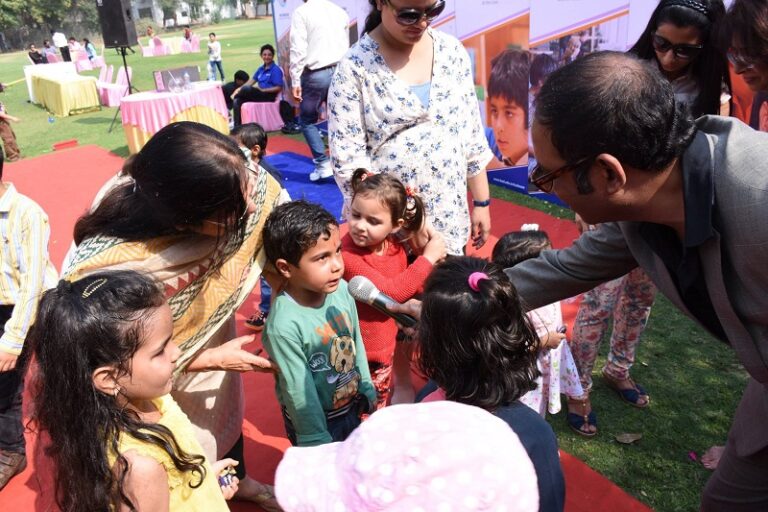
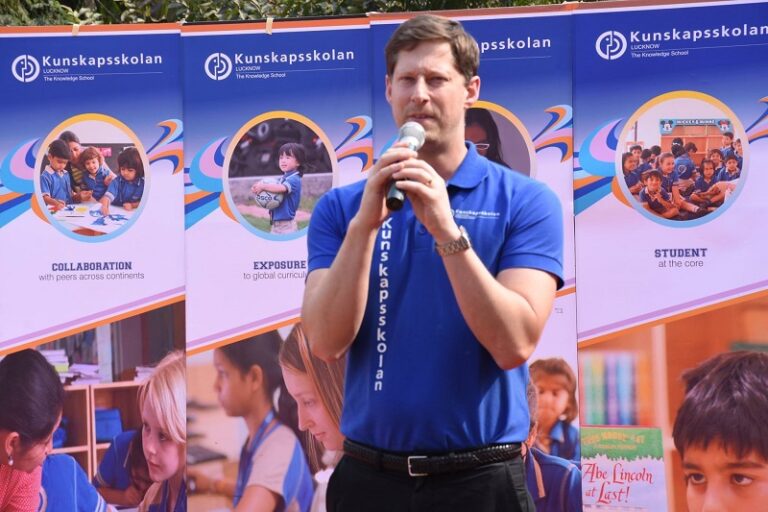
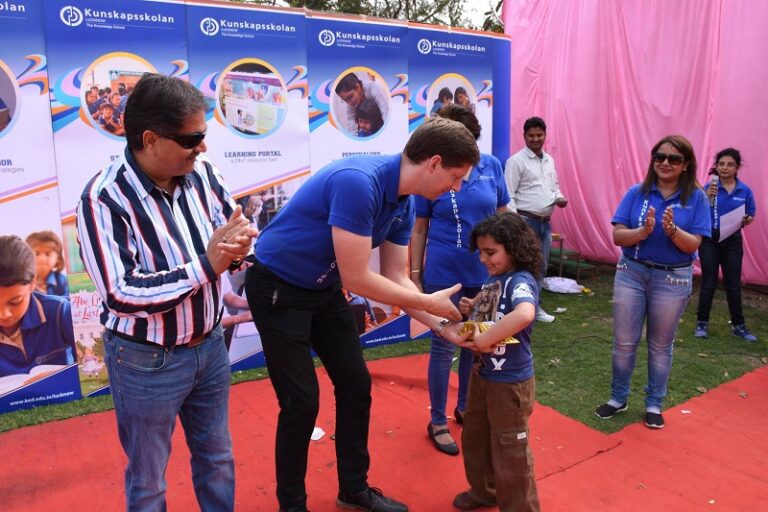
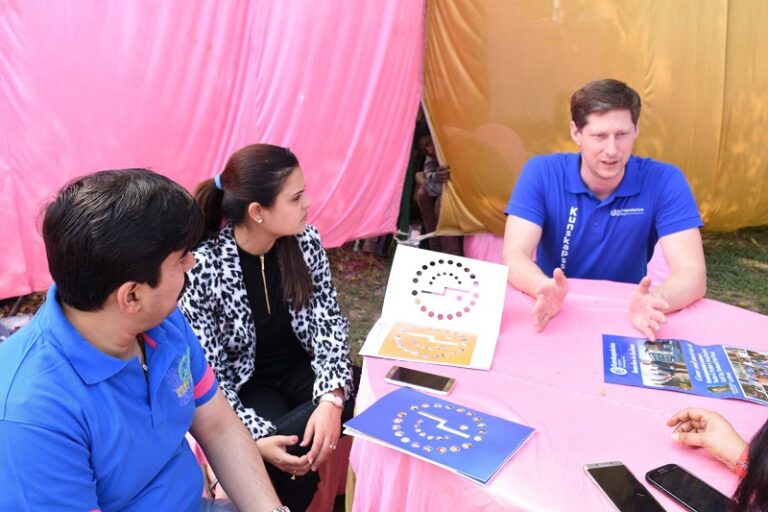
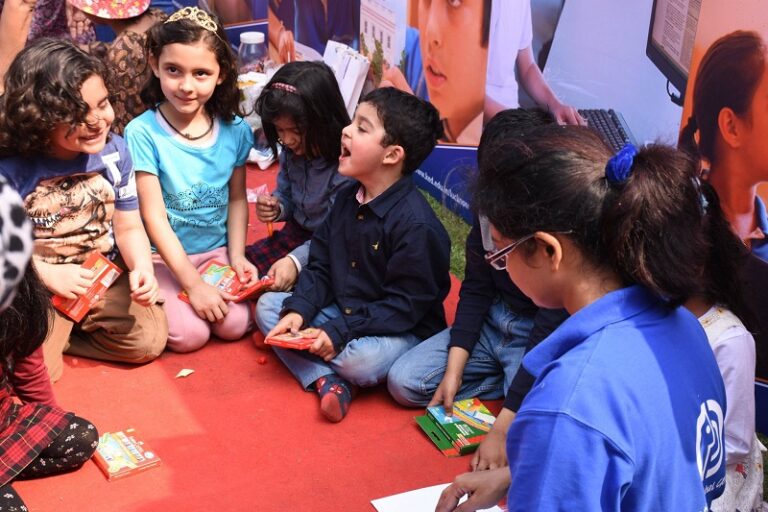
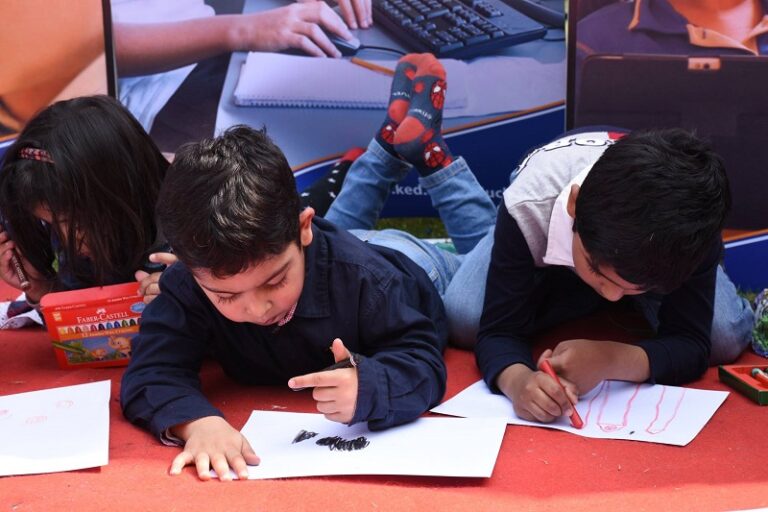
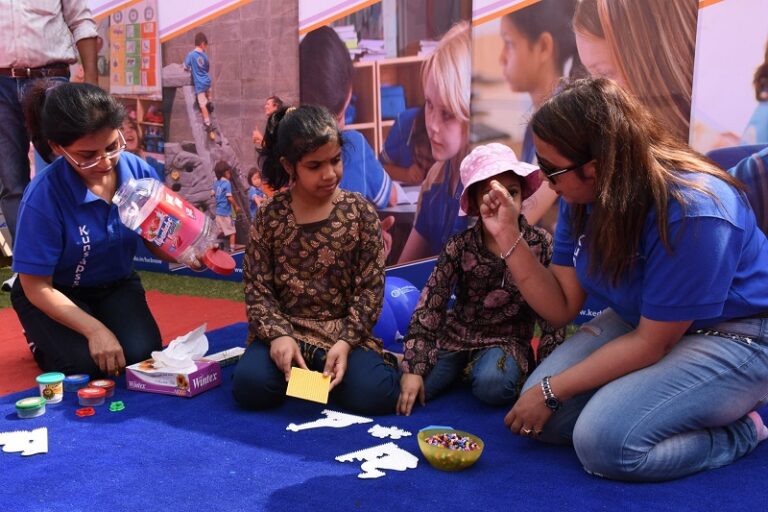
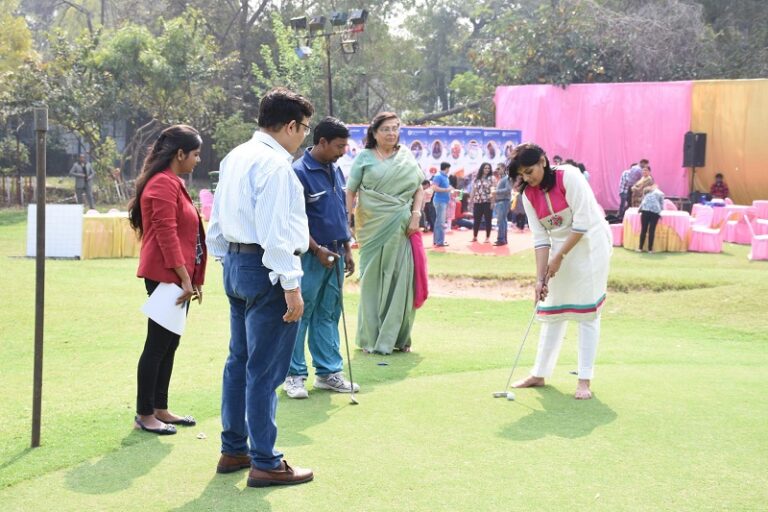
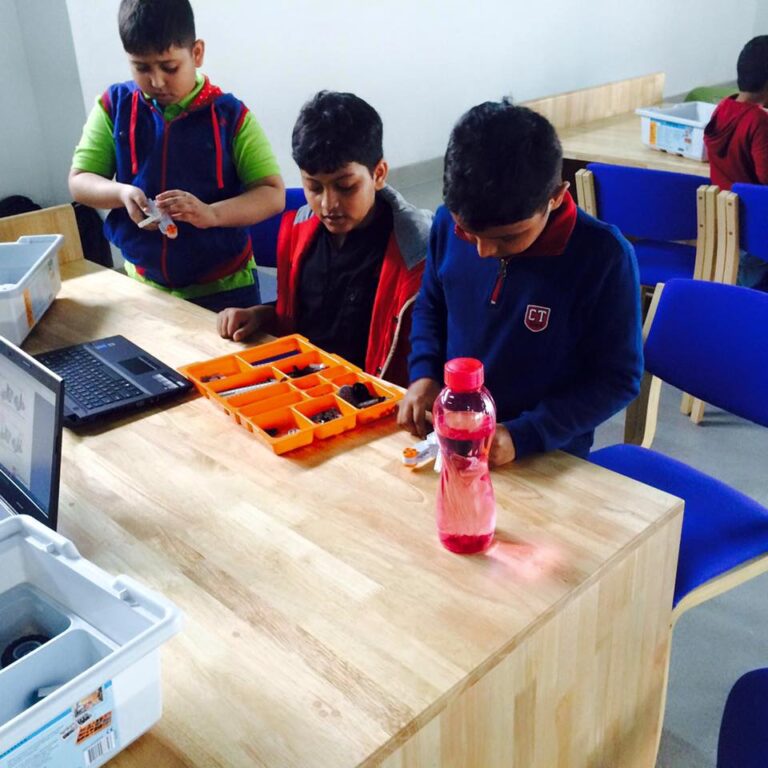
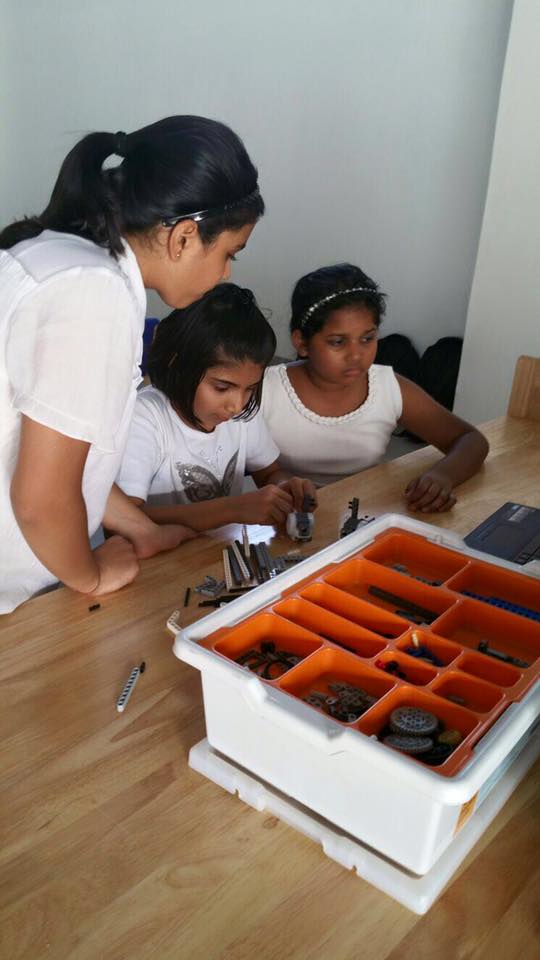
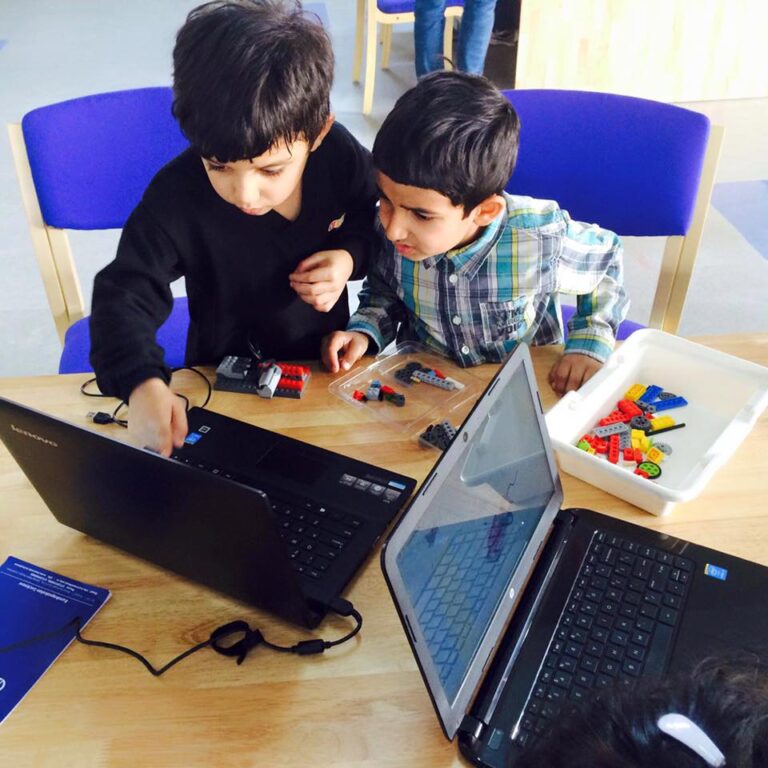
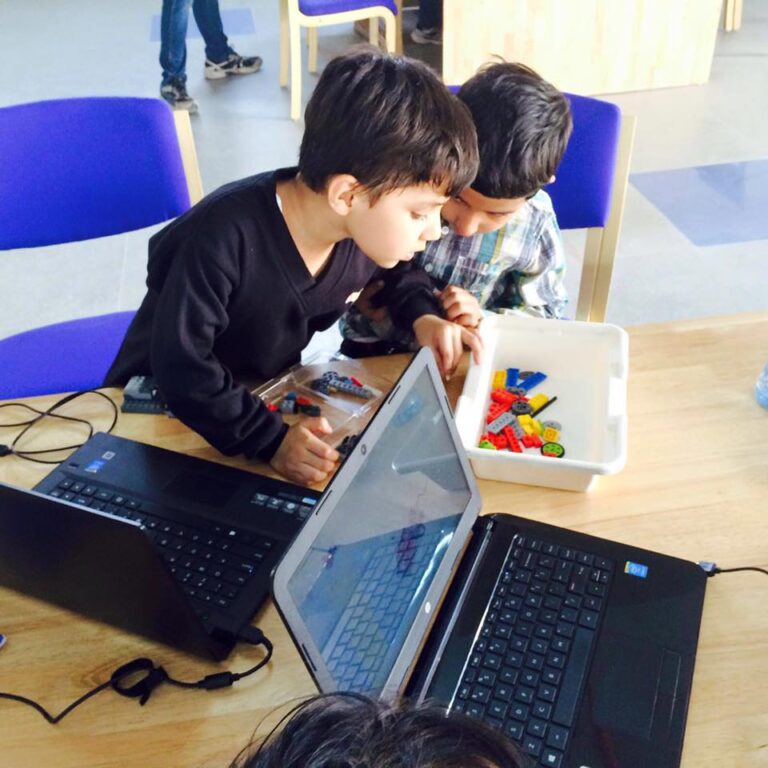

Kunskapsskolan is a global school where students will develop in an environment that nurtures them and their uniqueness. Exposure to the varied curriculums of Kunskapsskolan schools across the continents will provide the students with an enhanced and holistic view of the world they inhabit. The subjects and concepts taught at the various grades are aligned to the CBSE curriculum.
In Kunskapsskolan, all the subjects are organized in Steps and Themes. This challenges students to stretch their boundaries, construct a solid foundation of knowledge and skills.
Subjects that are required to be learnt sequentially and progressively are taught in steps. Math and languages are step subjects. The student moves from one step to the next, once he has mastered the previous requisite step. The students understanding of the concept is assessed through presentations and projects.
The thematic courses integrate subjects. EVS, Arts and Computers are theme courses and organized around projects and missions (assignments). They are solved or carried out by using and applying what the student has learned and demonstrate the ability to use logical thinking and creativity to solve problems.
At preschool the focus is on the different skills that children develop at this age group. The curriculum is theme based with emphasis on developing the language, numeracy, cognitive, socio emotional and motor skills. The learning will be fun filled, activity based and learner centered, strongly influenced by an understanding of early childhood learning.
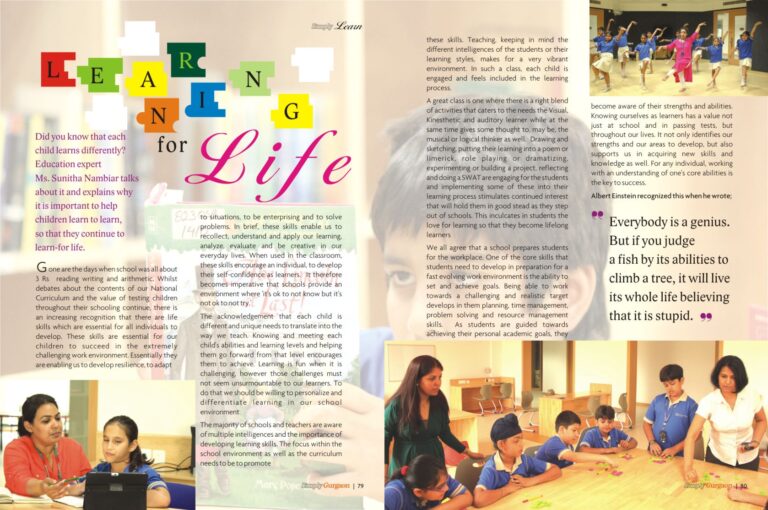

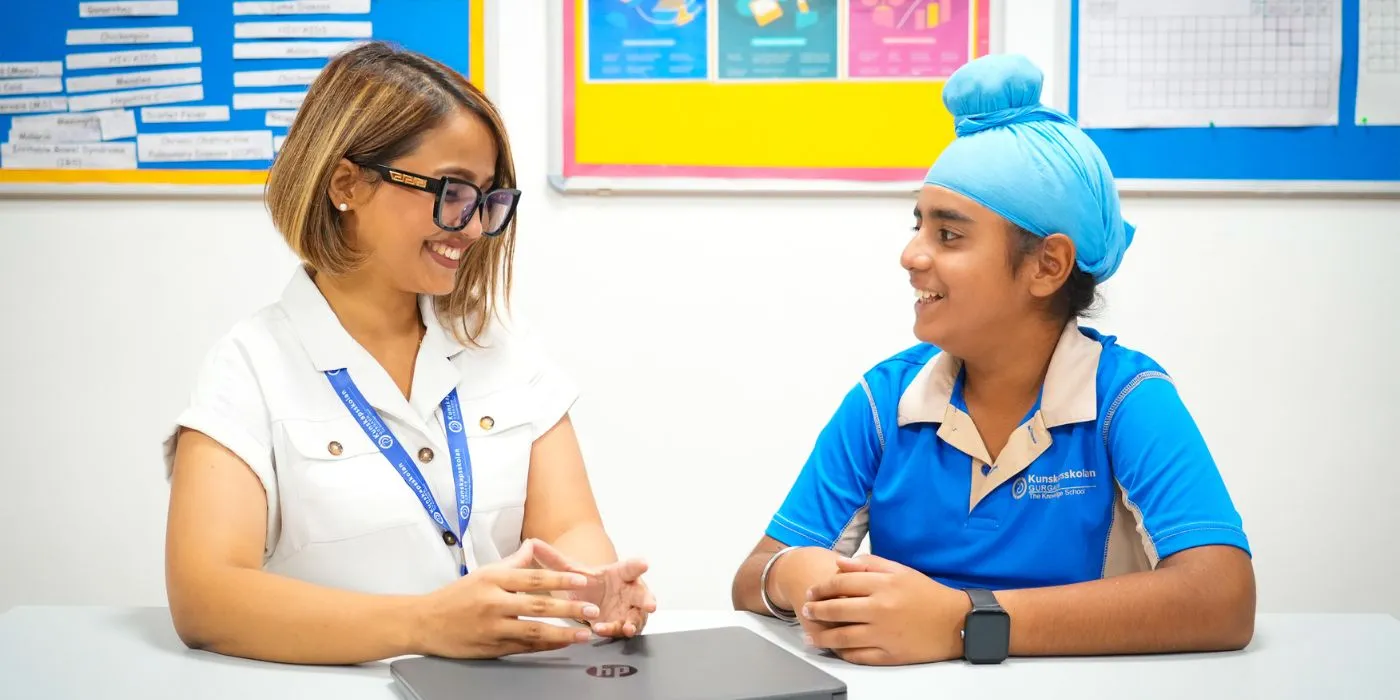
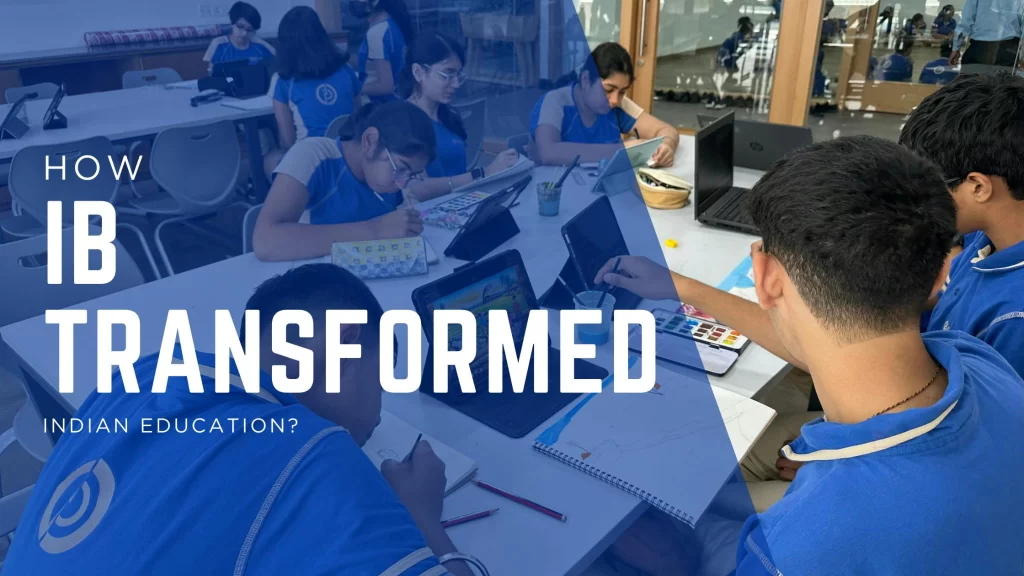
A typical day at Kunskapsskolan School is exciting and challenging. At Kunskapsskolan School, students start their day with their base group and coach. The base group session begins with listening to and observing the daily news. This is followed by guidelines from the teacher to help students create their own personal time plan which ensures optimal utilization of time to achieve students’ personal and academic goals.
During the day students attend diverse teaching learning sessions such as workshops, lectures, seminars, communication sessions and lab sessions. Each of these sessions is aimed at supporting and mentoring students. While some sessions such as the lectures, lab sessions and seminars are largely teacher directed, workshops and communication sessions are guided by the needs of the students. Workshops are sessions wherein students receive targeted help from subject teachers. The student get individual or group help on starting a course or learning skills.
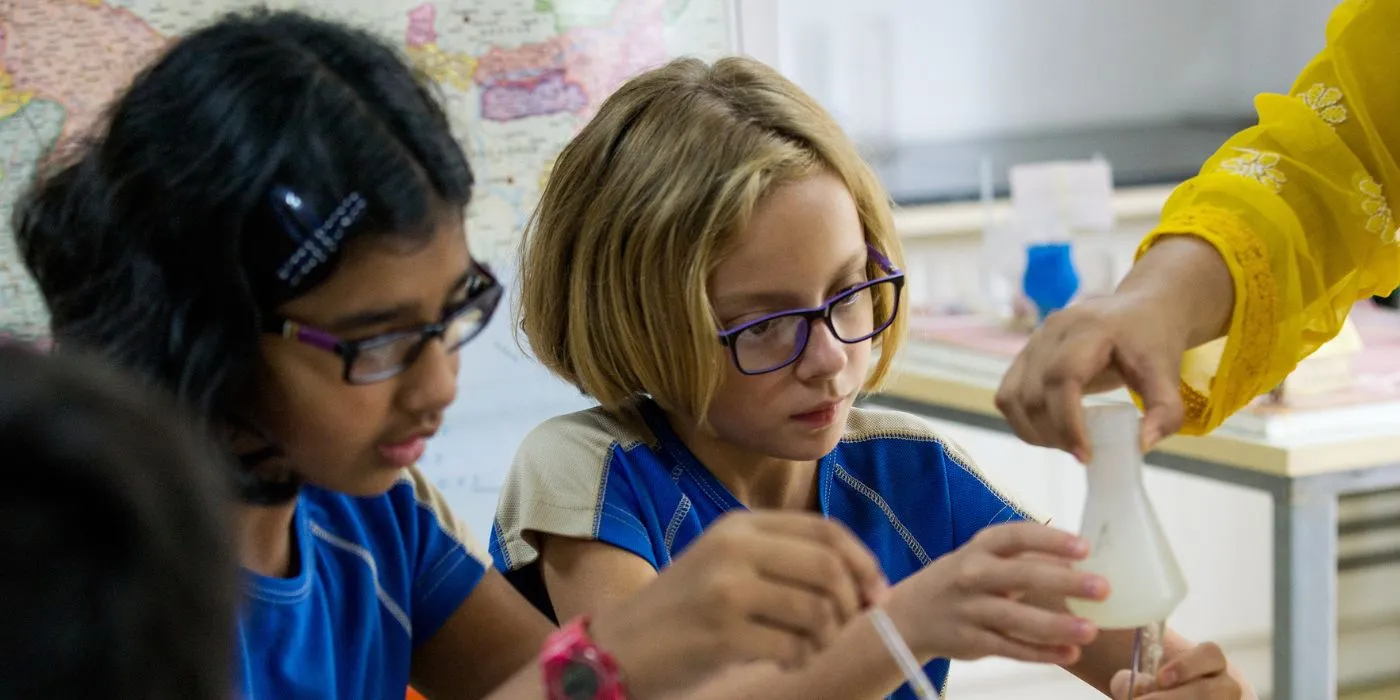
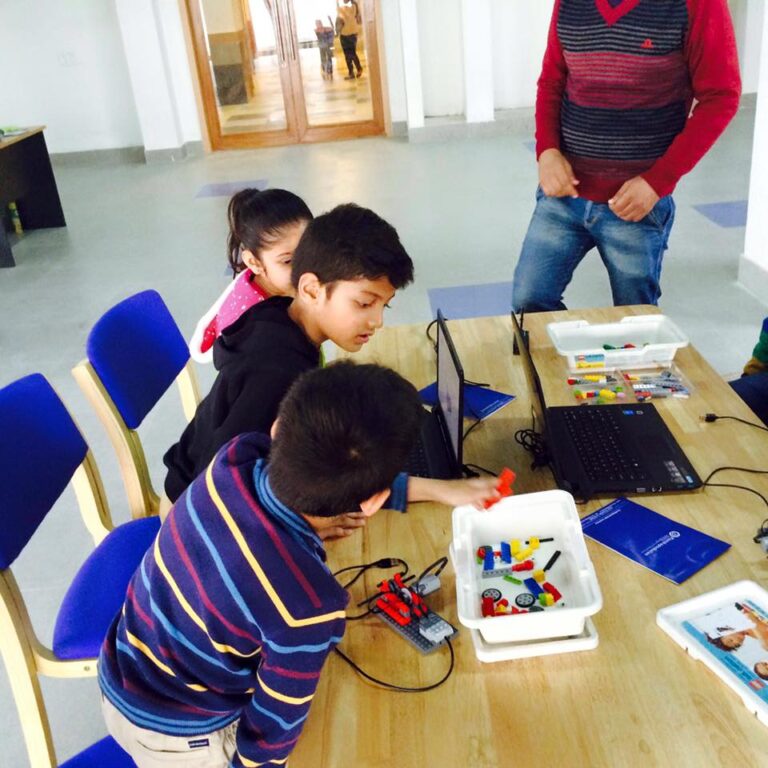
The lab sessions are interactive sessions providing students opportunity to explore and apply their learning in real life situations. Communication sessions held regularly help to enhance the ability of students to express with clarity, develop listening and comprehension skills and vocabulary.
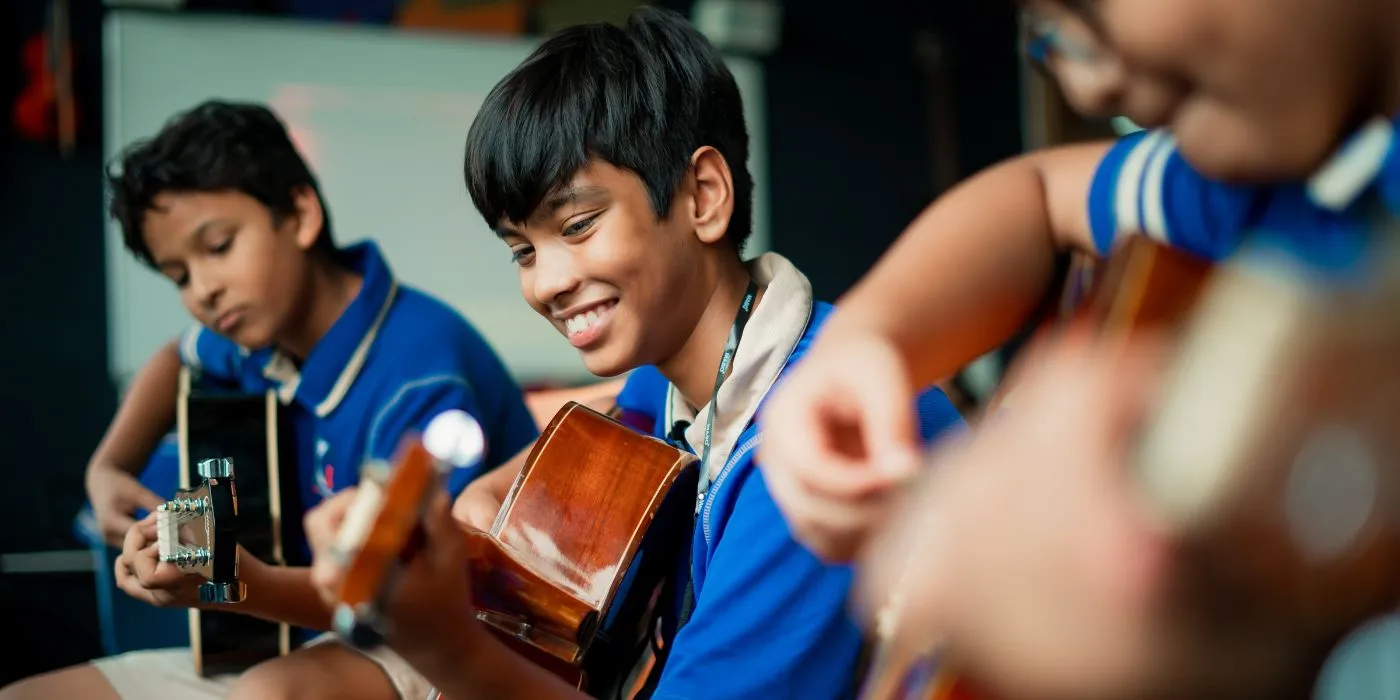
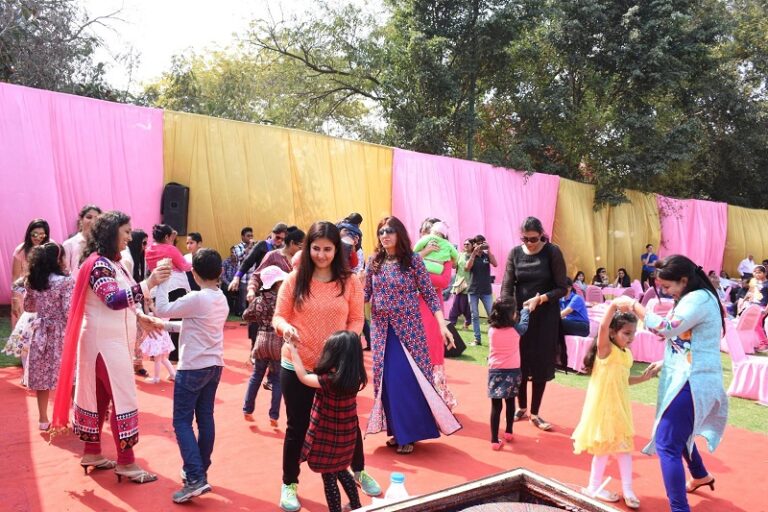
These academic sessions are interspersed with co curricular sessions such as art, music, dance and diverse sports, providing the environment for holistic development of the student.